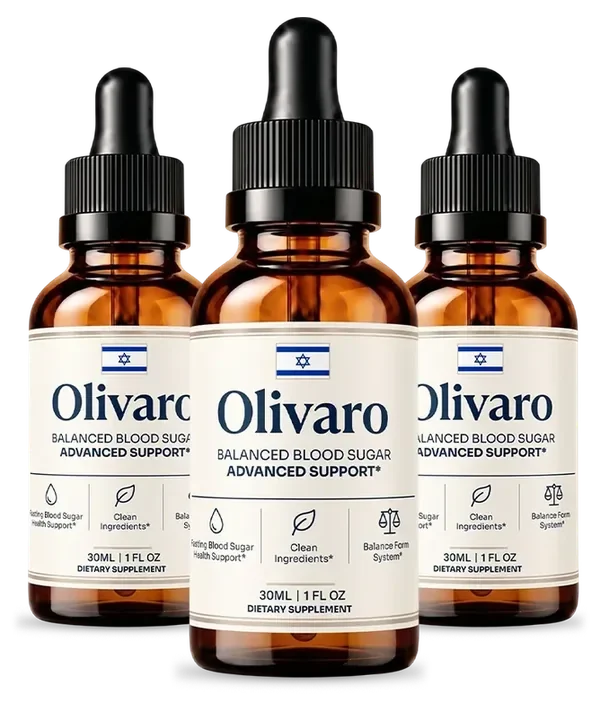
Guides
Olivaro guides: blood sugar supplement safety, medicines and label reading
These Olivaro guides explain blood sugar supplement safety in plain terms: who should ask a clinician first, how supplements meet diabetes medicine, what low blood sugar looks like and what test ranges mean. The ADA's 2026 Standards of Care do not recommend herbs or micronutrients for glycemic benefit, and no trial tested Olivaro.
Written by the Olivaro label deskUpdated
Start here
Which Olivaro guide should you read first?
Read the guide that matches your situation. If you take insulin or diabetes pills, start with medicine interactions, then low blood sugar.
Every guide reports what the label prints and what studies of single ingredients found, and says that no trial tested Olivaro. None tells anyone to change a prescribed medicine. Olivaro is a liquid dietary supplement, not a drug and not a diabetes medicine.
All guides
What guides does this site have on blood sugar supplements?
There are eight guides. Each answers one question a reader with diabetes, prediabetes or a supplement on the shelf is likely to ask.
| Guide | The question it answers |
|---|---|
| Medicine interactions | What should I ask a pharmacist if I take insulin or diabetes pills? |
| Who should not take Olivaro | Which readers does the label tell to ask a physician first? |
| Low blood sugar | What are the signs, and what do NIDDK and 911 guidance say? |
| Blood sugar basics | What do A1C and fasting glucose ranges mean? |
| When to see a clinician | Which symptoms and questions call for a visit? |
| The proprietary blend | What does one 200 mg total for 22 ingredients hide? |
| The formula | How do the printed amounts compare with study doses? |
| A liquid, not a capsule | What is the form, and why does the dropper matter? |
The evidence
What do health agencies say about supplements and diabetes?
They say there is no reliable evidence that a herbal or micronutrient supplement controls diabetes, and that supplements should not replace medical treatment.
The ADA's 2026 Standards of Care (Recommendation 5.16) say herbs and micronutrients are not recommended for glycemic benefit, with insufficient evidence for chromium among others. The same text notes that up to 59% of people with diabetes use supplements (ADA 2026, Standards of Care, supplements). NCCIH finds no reliable evidence that any herbal supplement controls diabetes, warns about interactions and says not to replace medical treatment (NCCIH, Diabetes and dietary supplements).
NCCIH also reminds readers that supplements can interact with medicines and are held to looser rules than drugs (NCCIH using supplements wisely). In 2006 the FTC and FDA took action against fraudulent diabetes cure claims (FTC and FDA, 2006 diabetes cure actions). That case is dated, and we name no party in it.
Each gauge below is an editor's reading of how well human studies of one ingredient group support the label's blood sugar line. It is a judgment, not a rating of Olivaro.
Chromium
Little22 of 100
NIH says the effect on glucose in people with diabetes is small and its significance unclear; the label's 0.7 mcg is 2% of the Daily Value. (NIH ODS, Chromium) (Zhao 2022, chromium type 2 diabetes meta)
Gymnema
Little18 of 100
Small, mixed studies at amounts far above anything the 200 mg blend could hold for one ingredient. (Devangan 2021, gymnema type 2 diabetes meta) (LiverTox, Gymnema)
Green tea and guarana
Little15 of 100
Trials of green tea show little glycemic effect; both are caffeine sources, and the label prints no amounts. (Yu 2017, green tea glycemic meta) (Schimpl 2013, guarana review)
Ginseng and herbs
Little15 of 100
Small trials of single herbs at studied amounts; none at the unstated amounts in this blend. (Shishtar 2014, ginseng glycemic meta) (Hong 2024, astragalus type 2 diabetes meta)
Amino acids
Very little5 of 100
No human trial found at the unstated amounts, so there is nothing to set the label beside. (Saldanha 2023, proprietary blends perspectives)
Our reading of the sources, not a measurement. Each needle is an editor's judgment of how well human studies support the label's blood sugar lines for that ingredient group, at studied amounts. It does not rate Olivaro: no study tested the liquid or this 22-ingredient blend.
Safety first
Is it safe to add a supplement if you have diabetes?
We cannot call any supplement safe for a person with diabetes, because safety depends on your medicines, your health and the exact product. Ask a clinician or pharmacist before you add one.
Insulin and two kinds of diabetes pills, sulfonylureas and meglitinides, can cause low blood sugar (NIDDK, Low blood glucose (hypoglycemia)). A supplement that might lower blood sugar adds to insulin, so ask your pharmacist. NIH says chromium could add to the effect of insulin and metformin (NIH ODS, Chromium). Keep taking prescribed medicine exactly as directed, and never stop, skip or change it because of a supplement.
Severe low blood sugar (confusion, fainting, a seizure), chest pain or trouble breathing needs emergency care. Do not wait.
If you test at home, keep your own readings and share them with your care team. A reading is your data. It is not a result of any product. See blood sugar basics for the ranges NIDDK lists.
What the sources stress
What do the health agencies recommend besides a supplement?
They point to a test, movement, sleep, blood pressure checks, a clinician's plan and telling your team what you take.
These six steps come from the agency pages we read. A drop-form supplement is not on the list.
- A test, not a guessFasting glucose and A1C tests, ordered by a clinician, show where you are: normal A1C is below 5.7% and diabetes starts at 6.5% (NIDDK). (NIDDK, Diabetes tests and diagnosis)
- Moving most daysThe HHS guidelines say 150 to 300 minutes of moderate activity a week plus muscle strengthening on 2 or more days; walking counts. (CDC, Adult activity)
- SleepAdults need 7 or more hours a night; short sleep is part of the picture in the health-agency pages we read. (CDC, Sleep)
- Know your blood pressureHigh blood pressure usually has no symptoms and often travels with high blood sugar; normal is under 120/80. (AHA, BP readings) (CDC, High blood pressure)
- A clinician's planThe ADA's Standards of Care say herbs and micronutrients are not recommended for glycemic benefit; treatment decisions belong with your health care team. (ADA 2026, Standards of Care, supplements) (NCCIH, Diabetes and dietary supplements)
- Tell your team what you takeNCCIH advises telling your providers about any herbal supplement you use, because supplements can interact with diabetes medicines. (NCCIH, Diabetes and dietary supplements)
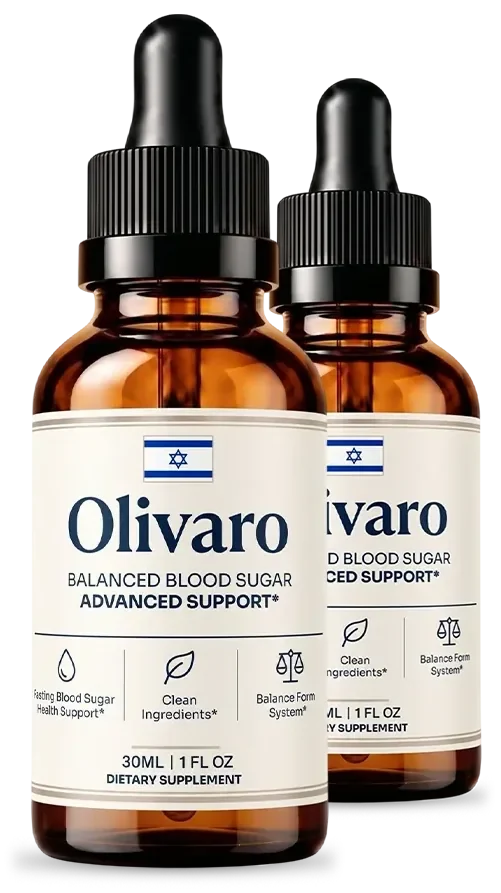
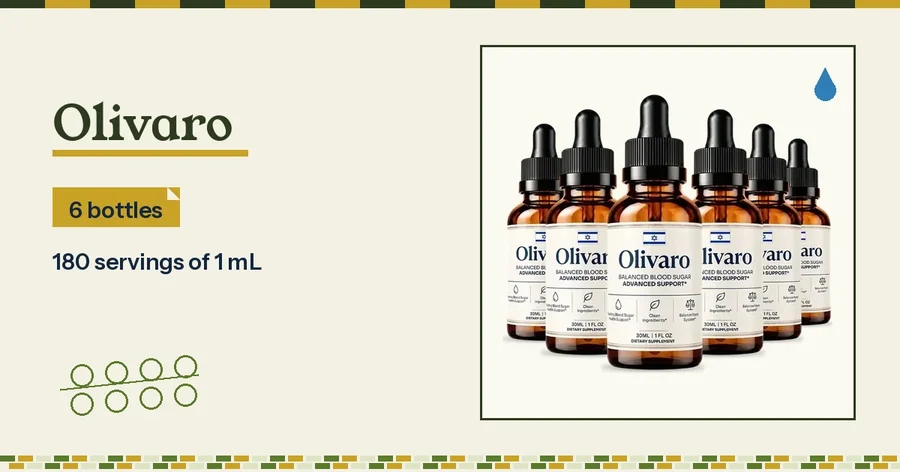
Olivaro liquid: 30 mL a bottle1 mL serving · 2, 3 or 6 bottles · from $49 a bottle · shipping at checkout
See the priceWarning signs
When should you stop and get care?
Stop and get care for low blood sugar that does not pass, fainting, chest pain, trouble breathing, a rash or swelling, dark urine or yellow skin or eyes.
The list also covers a pet that swallowed some liquid, because the bottle contains xylitol, which FDA says is dangerous for dogs (FDA, Xylitol dangerous for dogs).
- Shaky, sweaty, confused, very hungry, a fast heartbeatThese can be signs of low blood sugar. NIDDK says to eat or drink 15 to 20 grams of carbohydrate and recheck in 15 minutes; get care if it keeps happening.
- Fainting, a seizure or being unable to wake someoneCall 911. Severe low blood sugar needs treatment right away.
- Chest pain, a racing or irregular heartbeat, trouble breathingStop the liquid. Chest pain, fainting or trouble breathing: call 911 now.
- Dark urine, yellow skin or eyes, belly pain, nauseaCan be signs of liver trouble, which LiverTox lists as a rare possibility with gymnema and green tea extract. Stop and get medical care the same day.
- Rash, hives or swellingPossible allergy. Stop and get medical help; swelling of the face or throat or trouble breathing is an emergency.
- A dog or other pet swallowed someThe liquid contains xylitol. Call a vet, an emergency clinic or animal poison control right away (FDA).
Signs from (NIDDK, Low blood glucose (hypoglycemia)) (LiverTox, Gymnema) (FDA, Xylitol dangerous for dogs) (FDA report a problem). This list is not complete. A supplement is never a reason to wait.
If a supplement causes a problem, you can report it to the FDA (FDA report a problem).
The label
How do the guides apply to the Olivaro label?
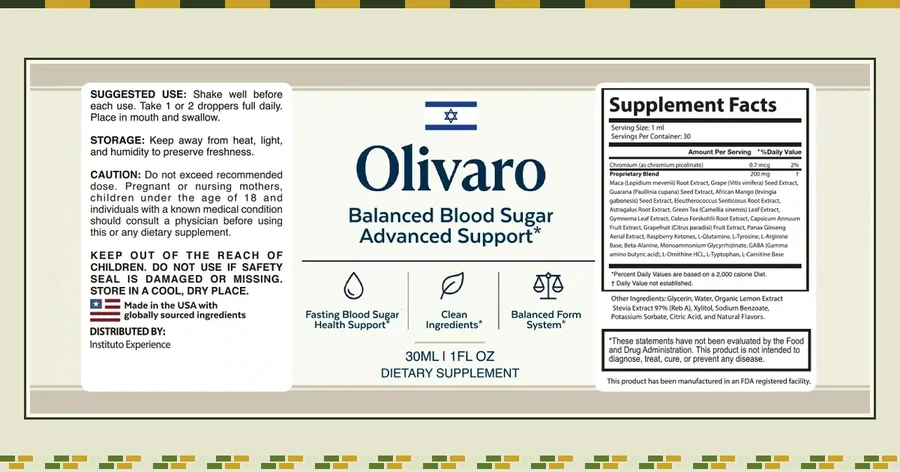
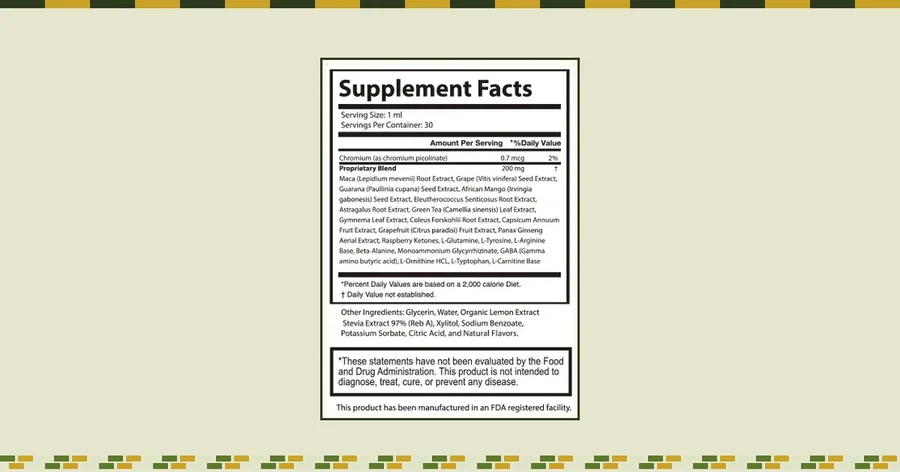
The label supports a short list of facts: a 1 mL serving, 30 servings, chromium at 0.7 mcg, and a 200 mg blend of 22 ingredients with no amount for any one.
Chromium at 0.7 mcg is 2% of the 35 mcg Daily Value (0.7 / 35 = 0.02). If the 22 blend ingredients were equal, each would be about 9.1 mg (200 / 22), but the label does not say they are equal. The label says to take 1 or 2 droppers full daily and does not print how many mL a dropper holds.
The front prints “Balanced Blood Sugar Advanced Support*”, and the star leads to the FDA statement that the claims have not been evaluated. We found no study that tested that line on this liquid.
Prices, shipping and the 60-day guarantee, which applies after at least 30 days of use, are on the pricing page. Read the live terms at checkout.
Questions
Olivaro guides FAQ
What are the Olivaro guides?
They are eight explainers on supplement safety, medicines, low blood sugar, test ranges, the proprietary blend, the formula, the liquid form and when to see a clinician. Each reports the label and the sources, and each says that no trial tested Olivaro.
Are these guides medical advice?
No. They are general information. They cannot account for your medicines or health. Ask your clinician or pharmacist, keep taking prescribed medicine as directed, and call 911 for severe low blood sugar, chest pain or trouble breathing.
Do supplements help with diabetes?
The ADA's 2026 Standards of Care do not recommend herbs or micronutrients for glycemic benefit, and NCCIH finds no reliable evidence that any herbal supplement controls diabetes. Treatment decisions belong with your care team.
Which guide covers diabetes medicine?
The medicine interactions guide. It lists the questions to bring to a pharmacist about insulin, sulfonylureas, meglitinides and other medicines, and repeats that no one should change a prescribed medicine because of a supplement.
Where are the test ranges for A1C?
In the blood sugar basics guide. NIDDK lists A1C below 5.7% as normal, 5.7% to 6.4% as prediabetes and 6.5% or above as diabetes. A clinician usually confirms with a second test.
Who writes and reviews the guides?
The Olivaro label desk writes them. The medical reviewer is a blank slot until a real person is confirmed, and we never print an invented name. Read the editorial standards page for how we work.
Olivaro liquid: 30 mL a bottle1 mL serving · 2, 3 or 6 bottles · from $49 a bottle · shipping at checkout
See the priceWho wrote this
Written and reviewed by
Pages built from the label, the seller's brief and linked NIH, FDA, CDC, FTC and peer-reviewed sources.
Last updated . Read our editorial standards and how we check reviews. This website is the information site of a USA Authorized Olivaro Retailer. It is not the manufacturer, and the label names Instituto Experience as the distributor. We earn money when you buy through our order links.
Keep reading
More about Olivaro
USA Authorized Olivaro Retailer
Ready to look at Olivaro?
Check your medicines first, and ask a clinician or pharmacist if you take diabetes medicine or insulin. Then pick a pack: 2, 3 or 6 bottles of 30 mL. Packs are listed at $79, $69 and $49 a bottle with a 60-day money-back guarantee (after at least 30 days of use); confirm the total and shipping at checkout.
- Secure checkout on the seller's site
- 60-day money-back guarantee, per the seller
- Shipping shown at checkout